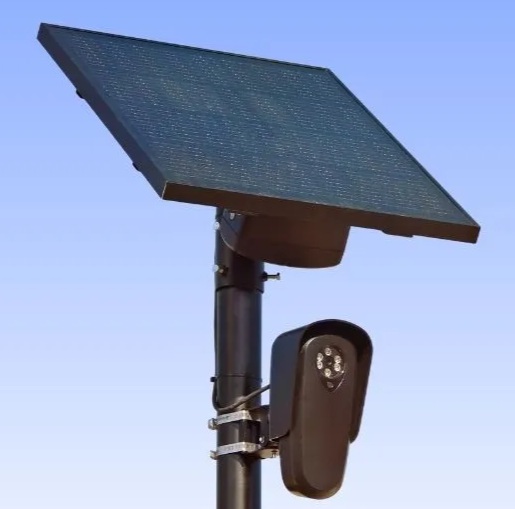
Flock Safety and two of its biggest competitors have together spent more than $11 million lobbying lawmakers since 2024, as license plate cameras spread and face growing opposition.
License Plate Camera Industry Pours Millions Into Lobbying
Flock Safety, the fast-growing maker of automated license plate reader (ALPR) cameras, has put more than $2 million into lobbying since 2025. Federal disclosures show it spent nearly $1.3 million on federal lobbying between January 2025 and July 2026, plus at least $1 million more in statehouses, according to OpenSecrets data and a review of disclosures in all 50 states.
Flock isn’t alone. Axon Enterprise, the company formerly known as Taser, has spent nearly $5.3 million on federal lobbying since 2024 based around law enforcement and criminal justice. Motorola Solutions, which owns surveillance vendor Vigilant Solutions, has spent about $5 million over the same period. Combined with Flock’s federal spending, that exceeds $11 million.
Flock’s spending is climbing. Between April and June 2026 it reported nearly $220,000 in federal lobbying, its highest quarter since it began lobbying Washington in 2024. Its filings don’t name specific bills, but show activity aimed at both chambers of Congress and the White House on homeland security and criminal justice issues.
(For a better look at how LPRs and big data come together, Bryon Tau does a great job covering it in his book Means of Control for $11.99 on Amazon. Note: As an Amazon Associate we earn from qualifying purchases)
At the state level, the picture is murkier. OpenSecrets found Flock had active lobbyists in 34 states, and the $1 million figure likely understates its spending because many states don’t require compensation to be reported. In 18 of those states, no spending totals were available at all. In Wisconsin, Flock spent $102,000 backing Republican bills that would have funded grants for local police to buy ALPR cameras; the measures failed in 2025.
The company’s reach is vast. Flock says it works with more than 5,000 law enforcement agencies in 6,000 communities, leasing cameras for roughly $2,500 to $3,000 per camera annually. Police credit the system with finding missing people and suspects, while privacy advocates warn it enables warrantless mass surveillance.
Backlash is growing. More than 120 agencies or jurisdictions have canceled, suspended, rejected or deactivated Flock contracts since January 2025, according to a tracker kept by the opposition group DeFlock.
UNC surveillance scholar Torin Monahan believes the lobbying is defensive. He said Flock is likely pursuing long-term government contracts while trying to block rules that would require warrants or limit the cross-jurisdiction data sharing its network depends on. He also suggested the company aims to become a monopoly, since the network grows more powerful as more agencies join.

John is the current Editor-in-Chief for The Bay City Beacon. His experience spans nearly 20 years of political reporting across several publications.